Our pavements contain valuable materials that have already served us for many years. Recycling these materials provides an opportunity to recover their value, reduce the demand for fresh natural resources, minimise waste, and make pavement construction and maintenance more sustainable.
Nevertheless, pavement recycling is not simply about reusing old materials. To unlock the full potential of recycling, we need to understand recycled materials better, improve processing and characterisation techniques, and develop reliable technologies and practices that enable their use with confidence, consistency, and long-term performance.
With this vision, the MAXRAP Workshop was conducted at IIT Madras on 21 September 2026, bringing together researchers, government representatives, industry professionals, and international partners to exchange knowledge, share experiences, and discuss actionable approaches for advancing high-quality and sustainable pavement recycling.
The workshop was enriched by the participation of members from the Indo-German Science & Technology Centre (IGSTC), Dr. Kusumita Arora, Director, IGSTC, and Dr. Rupak Bhattacharya, Senior Scientific Officer, IGSTC. Dr. Arora delivered the inaugural address providing an overview of the structure and functioning of IGSTC, its areas of interest, and the opportunities available for funding research and collaborative projects under the IGSTC framework. The MAXRAP team gratefully acknowledged the support and funding provided by IGSTC, which has enabled the project to pursue collaborative research in the area of sustainable pavement recycling.
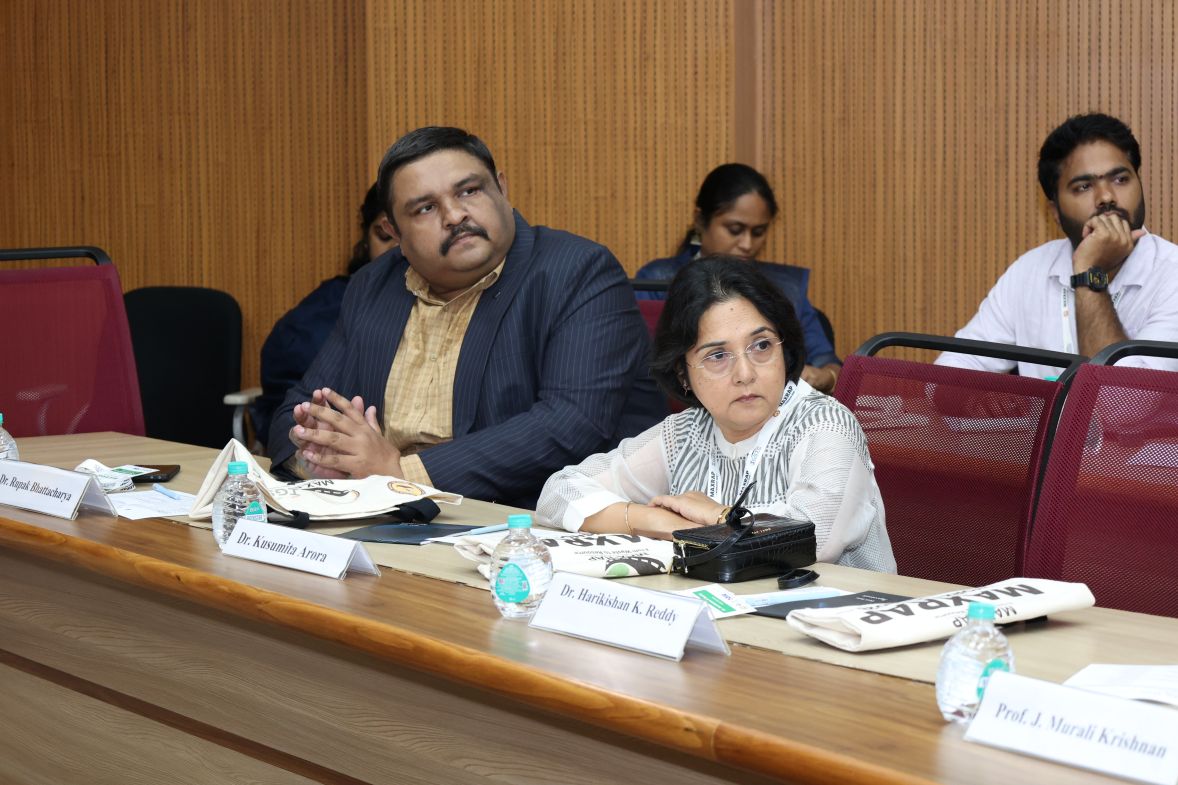
Dr. Kusumita Arora, Director, IGSTC and Dr. Rupak Bhattacharya – IGSTC Team
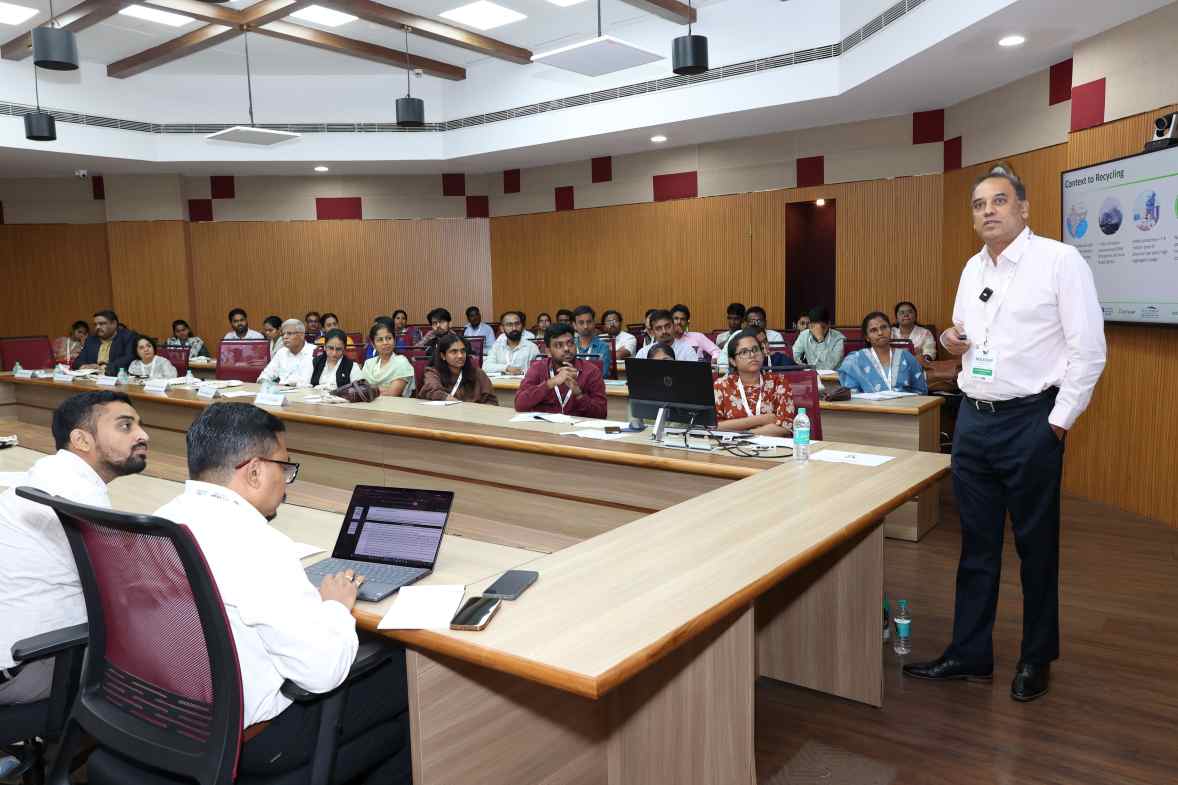
Dr. Harikishan K. Reddy, Executive Chairman, Cube Highways
Dr. Harikishan K. Reddy, Executive Chairman, Cube Highways, delivered the inaugural address from an industry perspective. His address provided valuable and insightful perspectives on the current challenges associated with pavement recycling, drawing extensively from his experience in the industry. Dr. Reddy highlighted several practical issues encountered in recycling and also identified potential areas for improvement, providing important direction for researchers and practitioners working towards recycling practices.
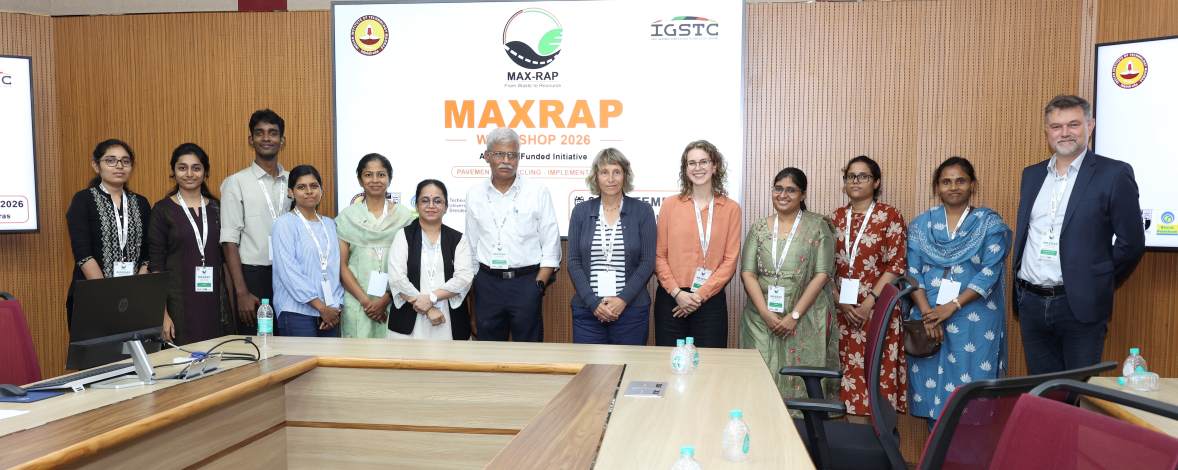
The MAXRAP team
The event was also attended by the MAXRAP German partners, including Professor Alexander Zeissler, Professor of Pavement Engineering, Department of Civil Engineering, TU Dresden, Germany; Dr. Sabine Leischner, Senior Research Fellow in Pavement Engineering, TU Dresden, Germany; Ms. Luca Arendt, Construction Manager, Heitkamp; and Ms. Athira Mangalath Shine, Research Associate, TU Dresden. The German partners delivered presentations covering different aspects of pavement recycling, contributing valuable international perspectives and technical expertise to the workshop.
Presentations were also delivered by members of the Indian MAXRAP team and collaborating researchers, including Prof. Murali Krishnan, Professor, Department of Civil Engineering, IIT Madras; Dr. M. R. Nivitha, Assistant Professor, Department of Civil Engineering, PSG College of Technology; Ms. Sonal Maheshwari, Chief Manager – R&D, BPCL R&D Centre, Noida; Dr. L. Abinaya, Senior Research Fellow, IIT Madras; Mr. Dinesh Kumar, MS Research Scholar, IIT Madras; and Ms. Suneetha, MS Research Scholar, IIT Madras. The presentations covered a range of topics related to RAP utilisation, binder characterisation, material processing, and the development of improved approaches for pavement recycling.
The workshop was attended by 80 shortlisted participants, comprising 25 participants from academia, 13 from government organisations, and 42 from industry. This diverse participation provided an ideal platform for meaningful interaction between research and practice, creating opportunities to understand both the scientific challenges and practical requirements associated with the wider implementation of pavement recycling. A major highlight of the workshop was the engaging interaction between academia and industry. The discussions covered several important aspects of reclaimed asphalt pavement (RAP) utilisation and recycling.
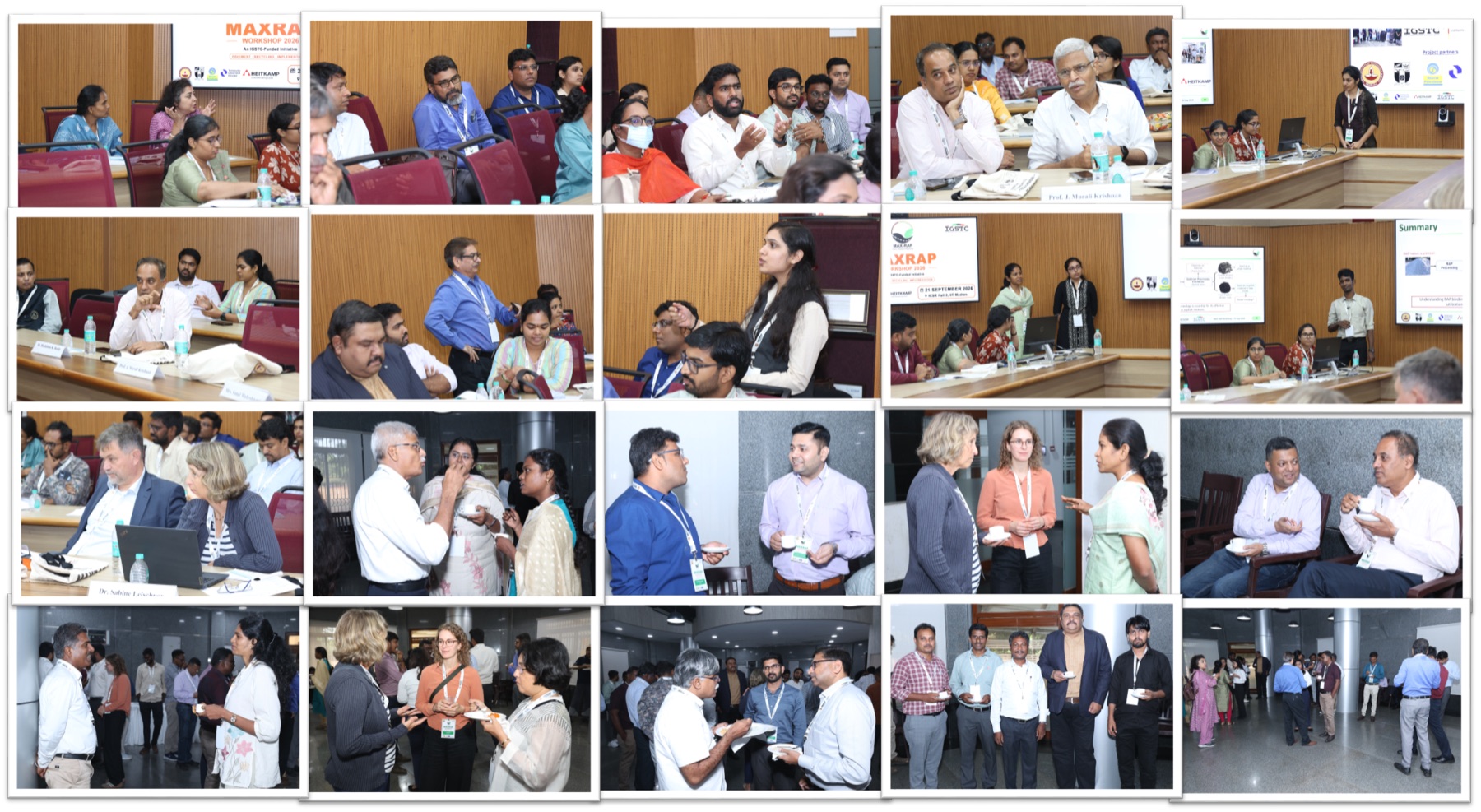
Moments from the event
One of the key areas of discussion was the chemical characterisation of bitumen and RAP binders. Understanding the chemical changes that occur in bitumen as a result of ageing and recycling is essential for assessing material behaviour and developing appropriate strategies for incorporating RAP into new pavement materials.
Another important topic was aggregate processing and separation. Discussions focused on mechanical approaches for processing RAP, with the aim of effectively separating the mastic and coarse aggregate fractions. Such approaches have significant potential to improve the quality, consistency, and usability of recovered materials and to support more efficient recycling processes.
The workshop also focused on the rheological characterisation of RAP binders, which is critical for understanding their mechanical behaviour and evaluating their influence on the performance of recycled asphalt mixtures. The discussions highlighted the importance of linking binder-level characterisation with mixture-level performance to develop more reliable and performance-oriented recycling strategies.
Overall, the workshop provided a valuable platform for knowledge sharing, technical exchange, and collaboration among academia, government, industry, and international partners. We hope the workshop was a productive and meaningful experience for all participants, and that the discussions initiated at IIT Madras will lead to stronger collaboration, new research opportunities, and further advancements in sustainable pavement recycling.
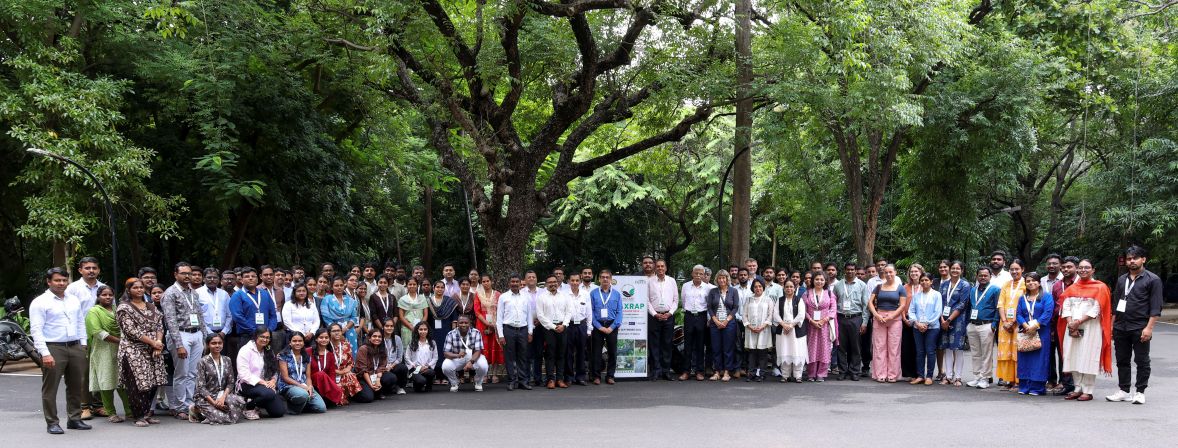
Participants of MAXRAP Workshop 2026 hosted at IIT Madras
Recorded videos of all presentations from the workshop will be made available shortly, enabling participants and the wider pavement engineering community to revisit the sessions and benefit from the knowledge, experiences, and insights shared during the event.
Together, through better understanding, improved technologies, and stronger collaboration, we can move towards a future where recycled pavement materials are not merely an alternative, but a reliable, consistent, and sustainable resource for building the roads of tomorrow.